
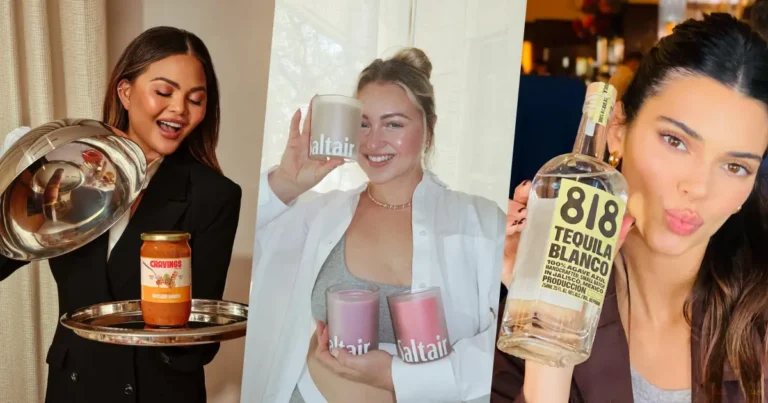
There’s an old joke in the fashion industry: models get paid to be the face of someone else’s brand. That’s changing fast. A growing number of the industry’s biggest names have stopped renting out their image for endorsement checks and started building something that’s actually theirs—with their name on the ownership papers, not just the ad campaign.
Here’s who’s done it and what makes their businesses different from a typical celebrity brand deal.
Emily Ratajkowski
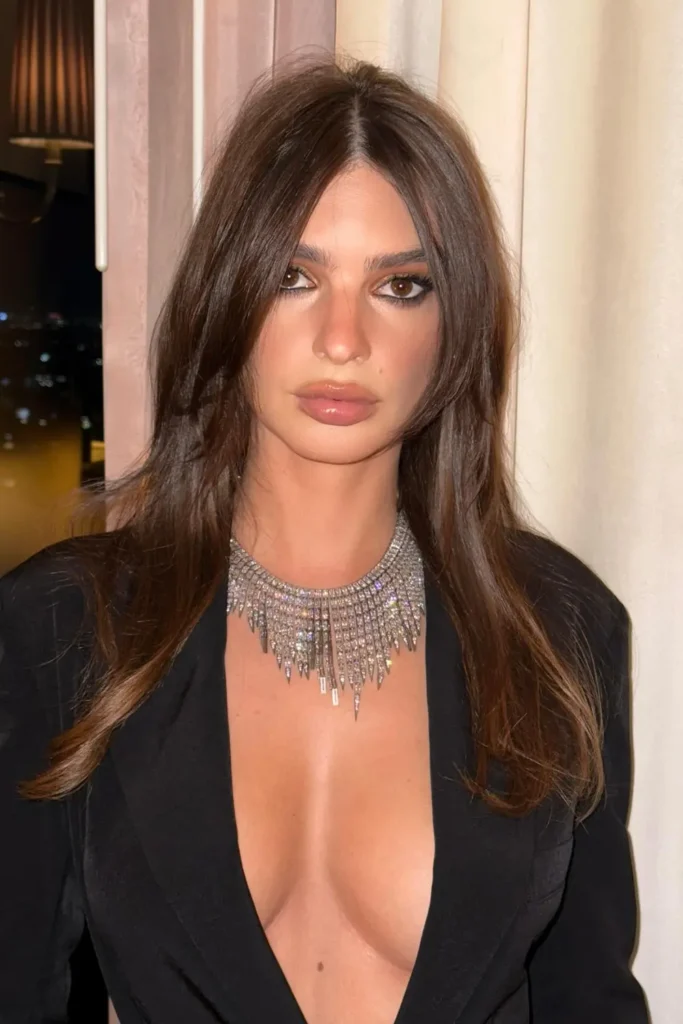
Ratajkowski didn’t just lend her face to a swimwear brand—she built one. Inamorata launched in 2017 with high-cut, body-conscious silhouettes inspired by her Southern California upbringing, and it’s since grown from swimwear into lingerie, ready-to-wear, and shapewear. The label earned her a Fashion Entrepreneur of the Year nod from Daily Front Row, and unlike a typical collaboration deal, the equity stays entirely in her own company.
Gigi Hadid
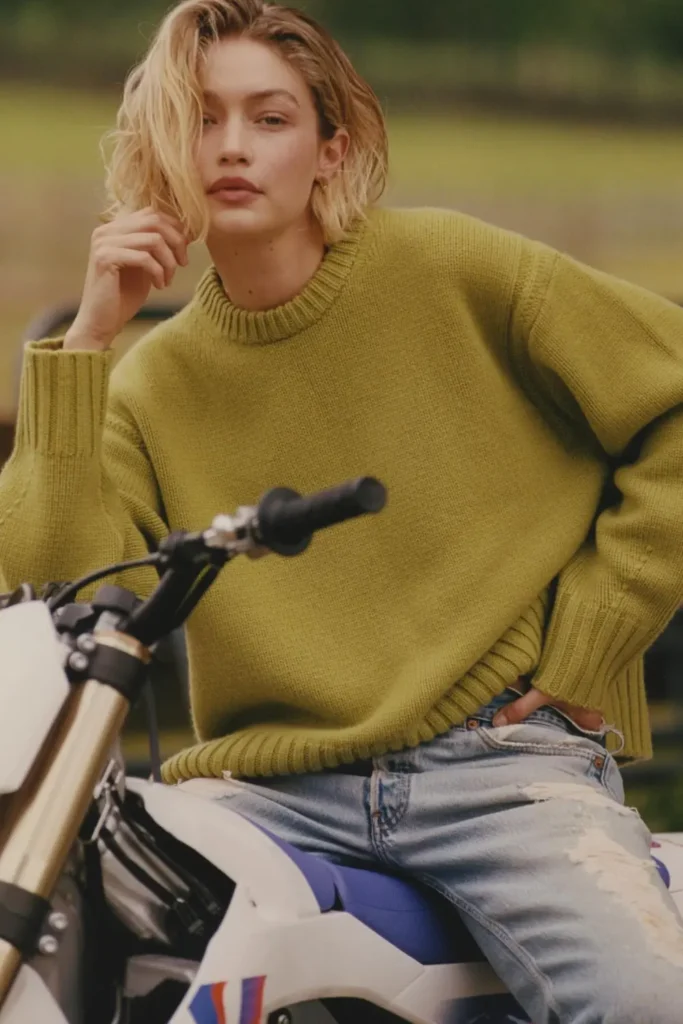
Hadid launched her cashmere knitwear label, Guest in Residence, in September 2022, after years of talking about wanting to build something of her own. The idea traces back to hand-me-down cashmere sweaters from her parents—pieces she wanted to recreate as what she calls “future heirlooms,” built to last rather than chase a trend cycle. Four years in, the brand is reportedly generating more than $30 million in annual revenue, with campaigns shot everywhere from Wyoming ranches to the coast of Sicily.
Sommer Ray
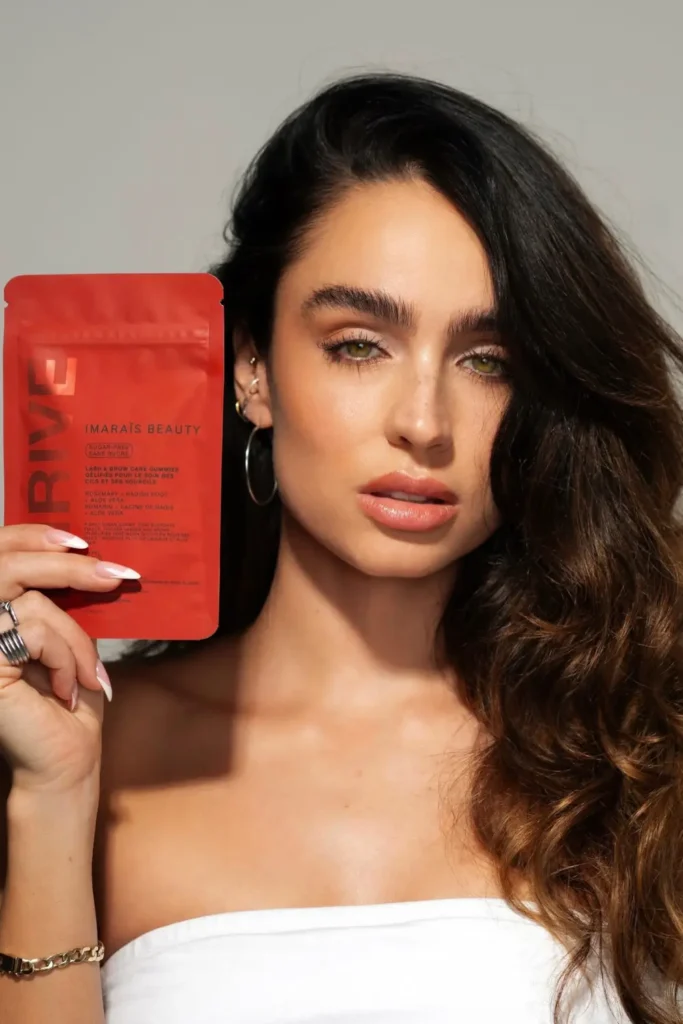
Best known for her fitness content and tens of millions of followers across platforms, Sommer Ray turned that audience into an actual company with Imaraïs Beauty. She’s since expanded into activewear and music, but the throughline is ownership—she’s said her goal was never to make people look like her but to help her audience feel confident in their own skin, and she’s built the business to match that message.
Cindy Prado
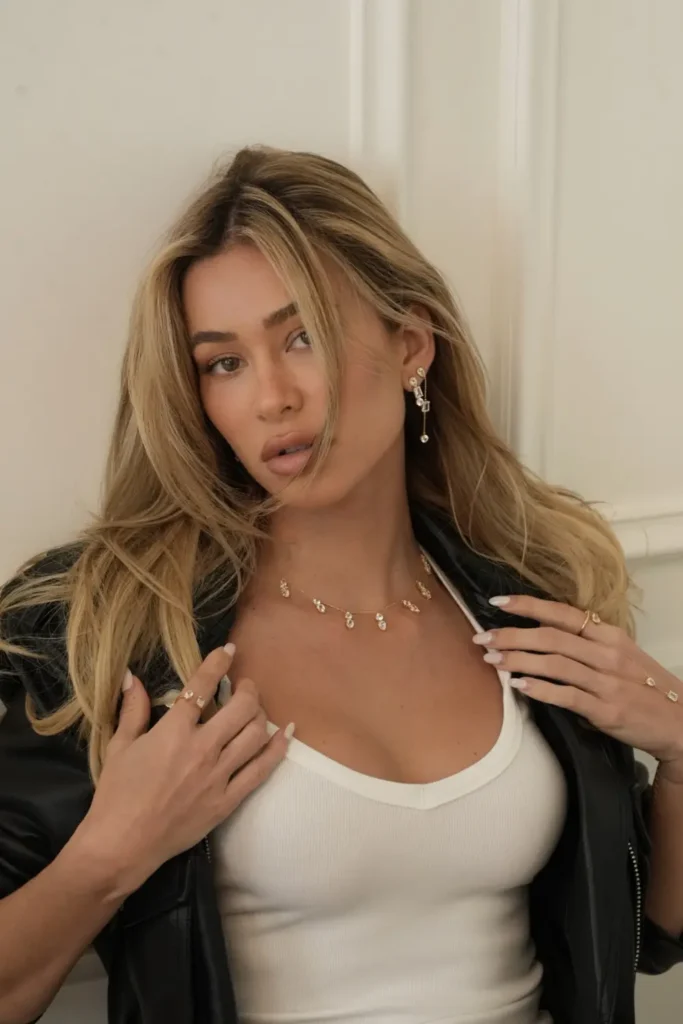
Prado took a more direct route from Instagram fame to fitness entrepreneurship, launching the Prado Programme, a training and coaching business built directly on the audience she grew as a model and content creator. It’s a smaller operation than some names on this list, but it follows the same core pattern: content first, then a real product built around it.
Yumi Nu

Yumi Nu has used her modeling career—including breakout Sports Illustrated Swimsuit coverage—as the foundation for Blueki, her own brand, rather than a licensed collaboration. She’s part of a newer wave of plus-size and body-positive models who are skipping the “spokesperson” role entirely and going straight to ownership.
Katya Elise Henry
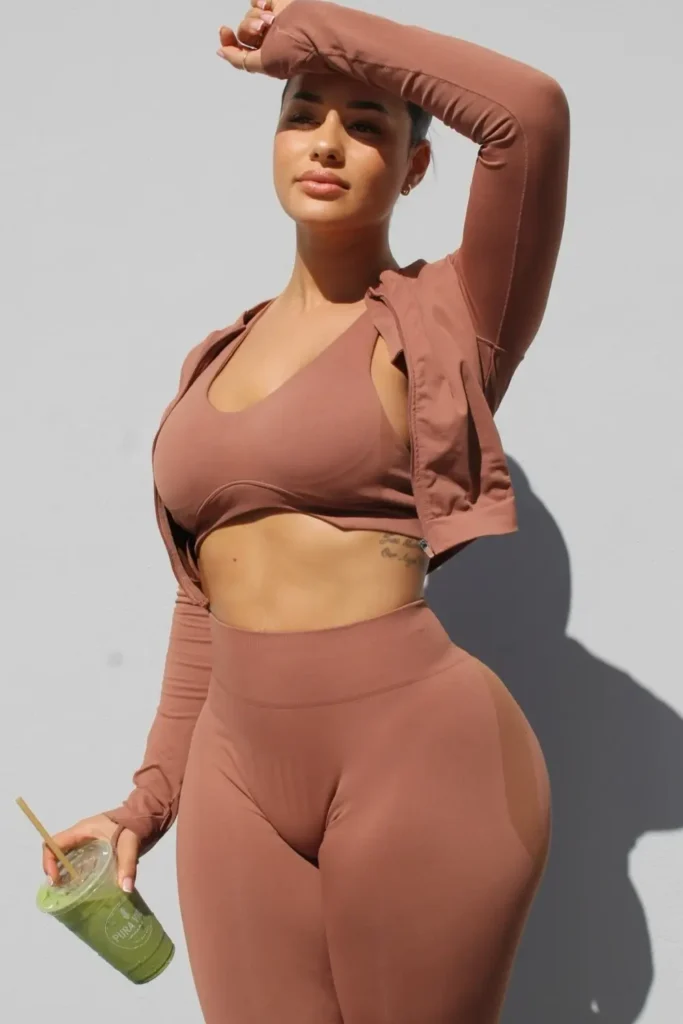
A fitness model with around seven million followers, Henry has built her business around the same audience that made her famous on Instagram, turning her training content into coaching and fitness products rather than simply licensing her name to an existing supplement or apparel company.
Chrissy Teigen
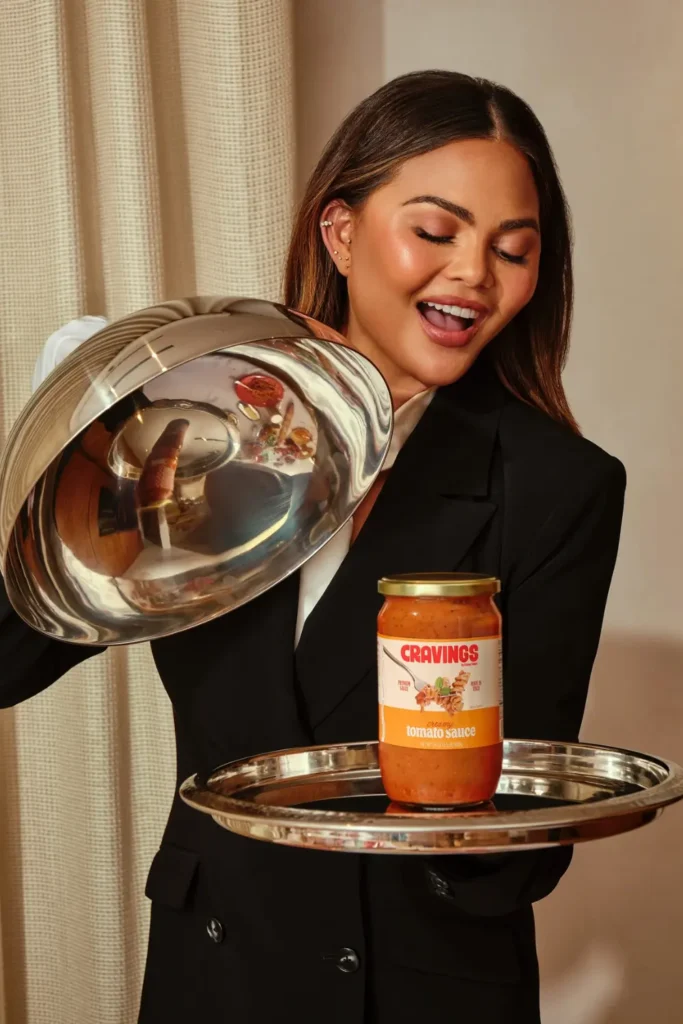
Teigen’s modeling career predates her current identity as a cookbook author and cookware entrepreneur, but the business itself, Cravings, is hers—built from her own recipes and her own brand voice, not a licensing deal with an existing kitchenware company. It’s a reminder that the “model turned founder” path doesn’t always stay in beauty or fashion.
Kendall Jenner
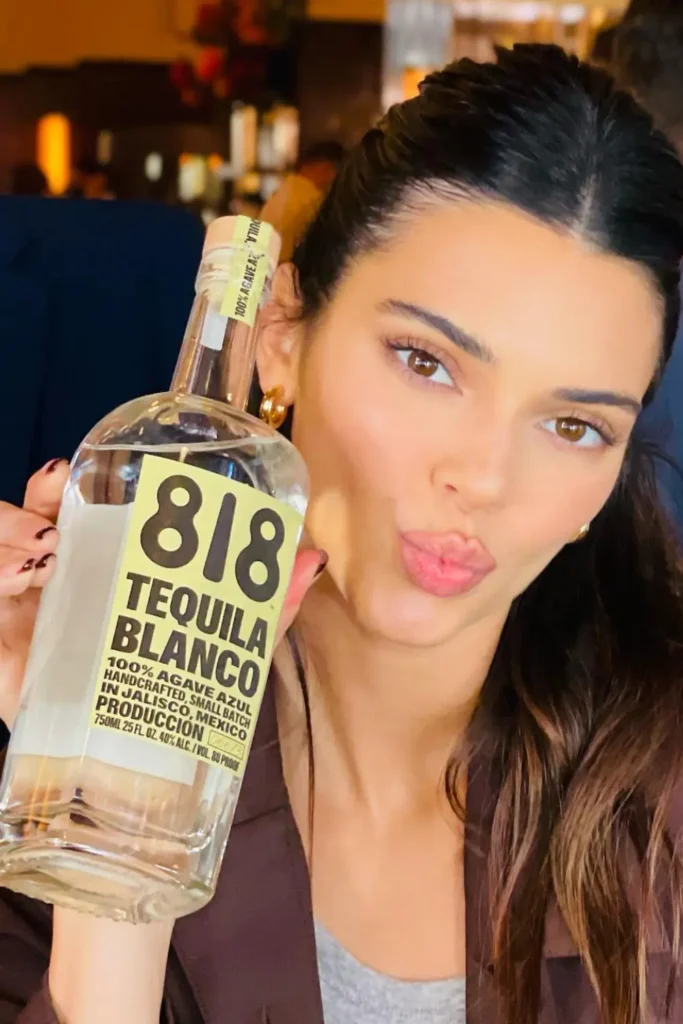
Of everyone on this list, Jenner took maybe the biggest swing: she spent almost four years quietly developing 818 Tequila before it ever launched, running blind taste tests and entering it into world tasting competitions anonymously, without using her name or her family’s, just to see if it could win on its own. It did—the brand has picked up more than a dozen blind-tasting awards and eventually landed a national distribution deal with Southern Glazer’s, one of the largest beverage distributors in the country. Jenner has said modeling was her top priority for a decade, but running 818 has become the bigger focus now. It’s a sharp contrast to a typical celebrity liquor endorsement, where a star’s name gets slapped on a bottle someone else formulated.
The Most Unexpected Celebrity Couples in Pop Culture History
Iskra Lawrence
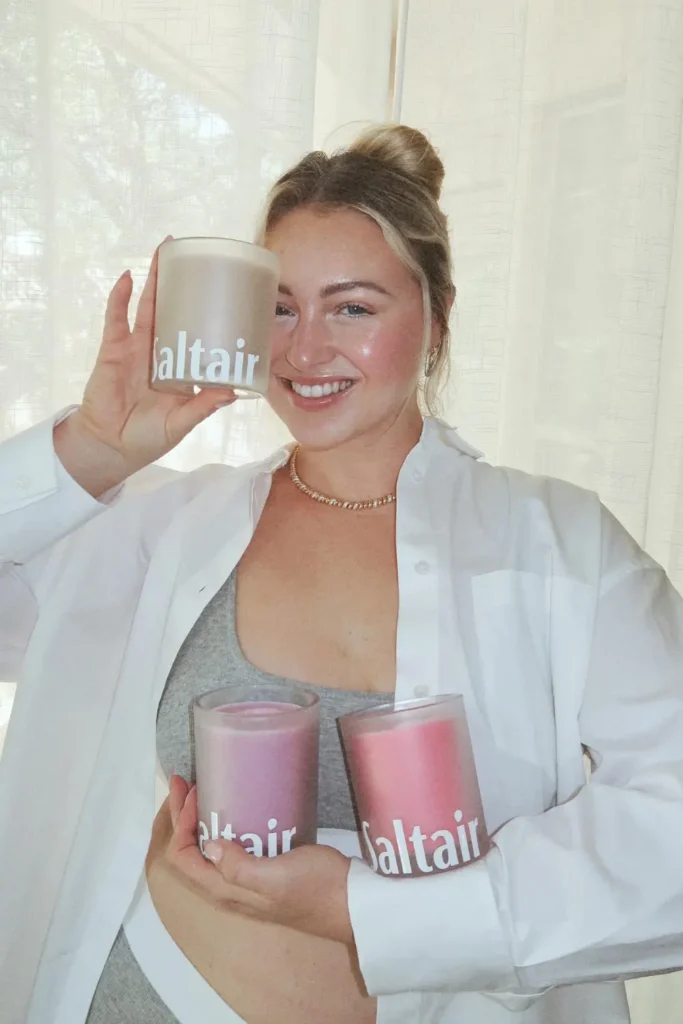
Lawrence built her early career as a body-positivity advocate inside the modeling industry, becoming the first model in Aerie’s “Aerie Real” campaign, which dropped retouched images entirely. In 2021, she turned that advocacy into an actual company: Saltair, a body-care line built around inclusivity and self-care rituals, developed in partnership with a brand incubator rather than an existing beauty conglomerate. She also founded a separate financial tool, the Self-Funding Planner, aimed at helping other women invest in themselves—a rare example of a model-founder building a product entirely outside fashion or beauty.
The Pattern Behind the Body-Positive Wave
Nu and Lawrence aren’t isolated cases—they’re part of a broader shift among plus-size and body-positive models specifically choosing ownership over endorsement. Where an earlier generation of curve models were mostly hired as spokespeople for existing size-inclusive lines, this generation is building the lines themselves. That shift matters because it changes who actually profits when “body positivity” sells product—the model, not just the company renting her image for the campaign.
Why This Is a Different Kind of Fame
For years, the ceiling for a model’s career was the brand deal: get paid to appear in someone else’s ad, someone else’s product line, or someone else’s campaign. What’s changed is where the equity sits. A collaboration pays a fee. A founded brand builds an asset—one that keeps generating value long after the modeling contracts slow down.
That’s the real distinction between someone who models for outfits and skincare campaigns for a decade and someone whose name shows up on a company’s incorporation papers. The first is a career. The second is a business that happens to have started with one.
FAQ
A collaboration typically means being paid a fee to promote, design alongside, or lend a name to a brand someone else owns. A founder holds actual equity in the company, meaning they profit from its growth and control its direction—not just a one-time or royalty-based payout.
Emily Ratajkowski’s Inamorata and Gigi Hadid’s Guest in Residence are two of the most established examples, both fully owned by the models themselves rather than licensed partnerships.
Not automatically, but a large built-in audience gives models a head start most entrepreneurs don’t have. The ones who succeed tend to build something that reflects their actual personal brand, rather than simply attaching their name to an unrelated product.
Beauty and body care tend to have lower manufacturing barriers than fashion, and a model’s existing audience is usually already primed for that category. It also lets them control a message—like inclusivity or self-care—that a licensing deal with an outside company wouldn’t let them shape as directly.

Pingback: Isabelle Clarke: The Law Graduate Who Built a Mental Health Empire From a Sunflower and a Private Instagram Page - Viral Model Hub