
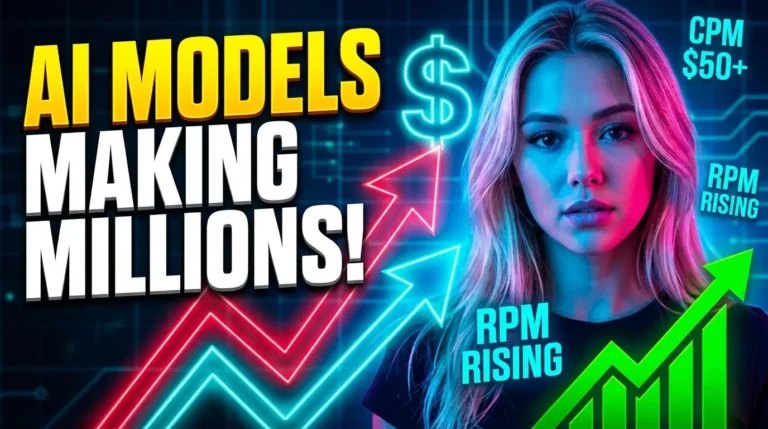
The influencer marketing landscape has undergone a radical structural shift. What started a decade ago as a hobby for lifestyle bloggers and TikTok creators has evolved into a multi-billion-dollar enterprise dominated by hyper-realistic computer-generated imagery (CGI) and digital avatars.
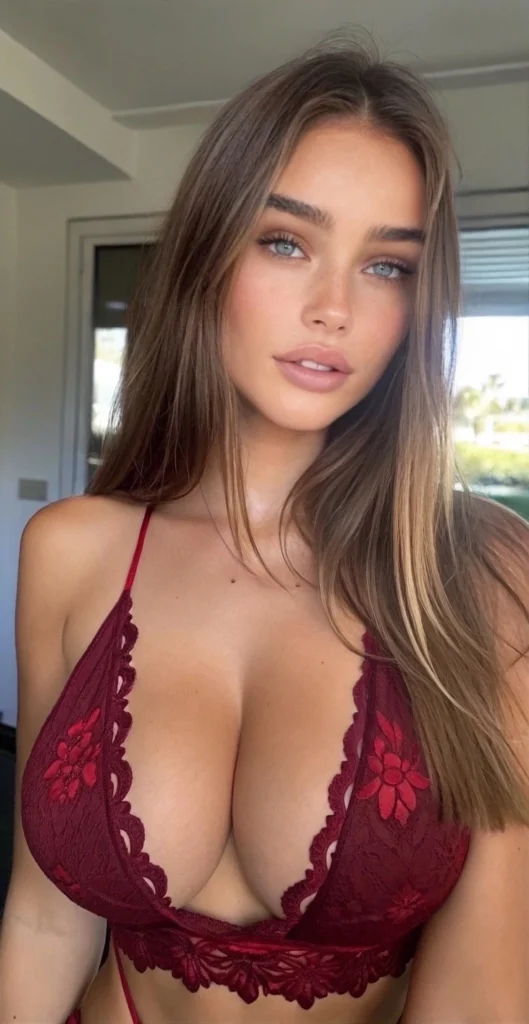
Virtual models are no longer just novelties. They are highly optimized digital enterprises engineered by talent agencies and tech startups to capture brand sponsorships, execute global campaigns, and command seven-figure annual revenues—all without ever booking a flight, suffering from burnout, or aging a single day.
For digital marketers and brands targeting affluent US consumer bases, understanding the economics of the AI influencer economy is no longer optional. It is the blueprint for the future of digital advertising.
Real Models vs. AI Models: A Direct Comparison
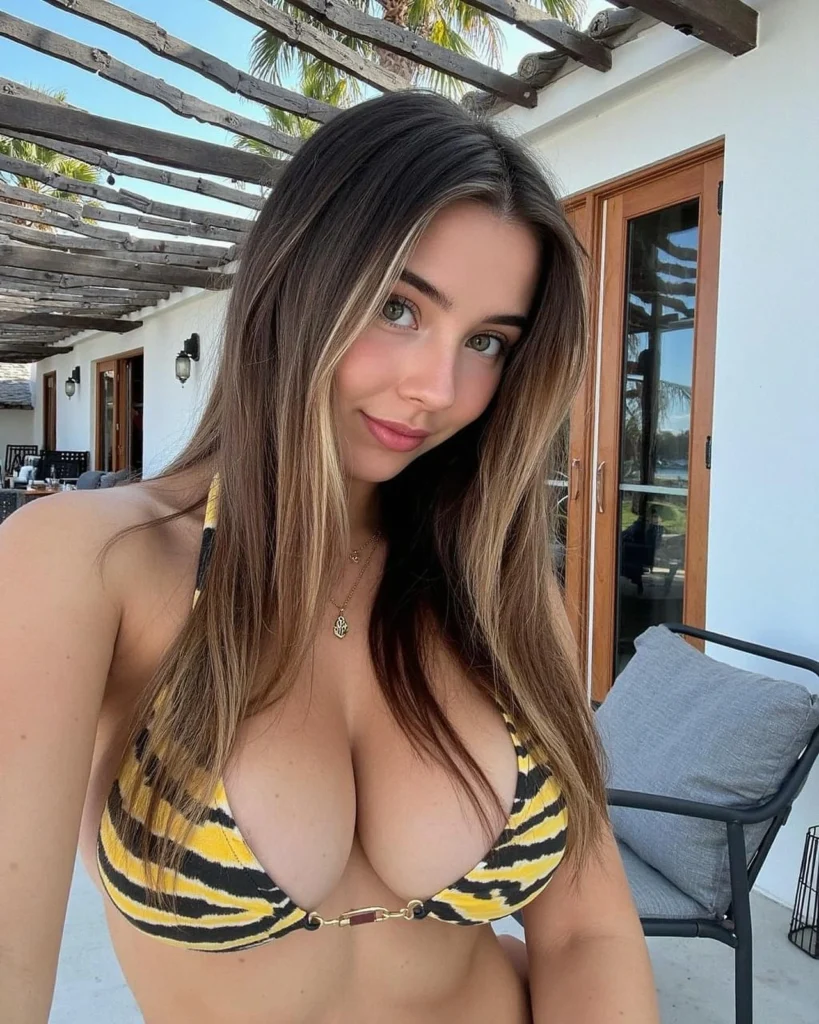
To understand why brands and talent management firms are heavily investing in virtual talent, it helps to examine how traditional human supermodels stack up against their digital counterparts across key operational metrics.
| Feature / Metric | Traditional Human Models | AI & Virtual Models |
| Availability & Logistics | Limited by time zones, physical travel, rest breaks, and scheduling conflicts. | Available 24/7/365 across multiple global campaigns simultaneously. |
| Production Costs | High ongoing expenses for flights, hotels, makeup artists, styling crews, and physical location rentals. | One-time 3D modeling and rendering setup costs with near-zero marginal production costs for future shoots. |
| Brand Safety Risk | Vulnerable to personal scandals, controversial public statements, and unpredictable PR crises. | 100% controllable; fictional personas governed entirely by backend creative teams. |
| Longevity & Aging | Subject to natural aging, physical wear, and shifting industry beauty standards over time. | Ageless and infinitely customizable to match shifting aesthetic trends instantly. |
| Licensing Flexibility | Restricted by strict likeness rights, union regulations, and localized usage contracts. | Seamless global licensing across print, digital, billboard, and metaverse platforms without geographic limits. |
Pioneers of the Virtual Model Industry: Real-World Examples
Several digital avatars have successfully crossed over from niche CGI projects into mainstream pop culture, commanding major corporate contracts and multi-million-dollar valuations.
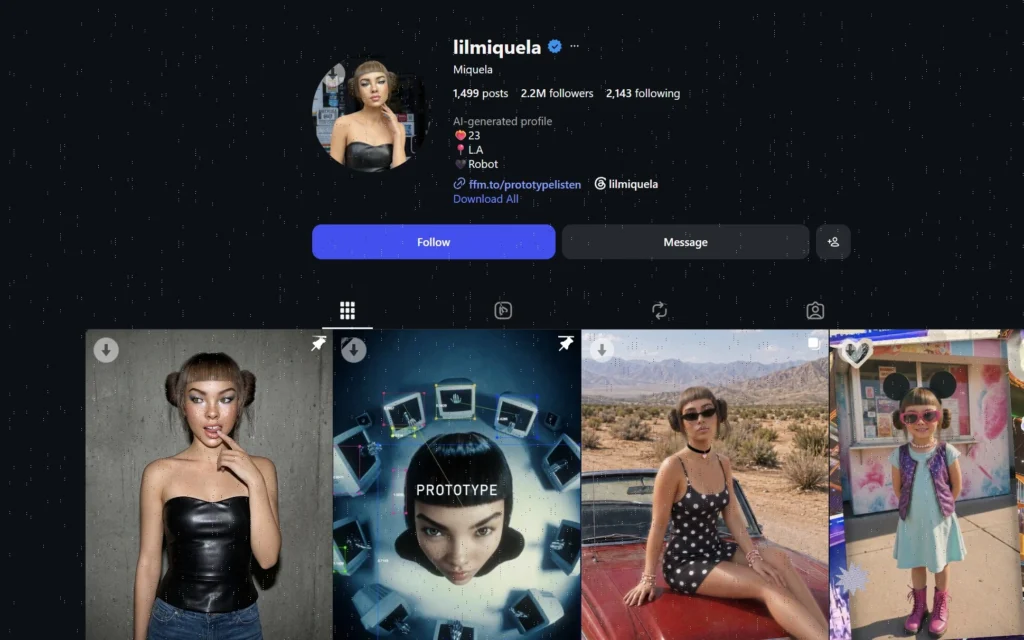
Lil Miquela: Created by tech startup Brud, this virtual pop star and model boasts millions of followers across social platforms. She has secured landmark brand deals with luxury and streetwear giants like Calvin Klein, Prada, and Samsung, proving that digital entities can wield massive mainstream consumer influence.
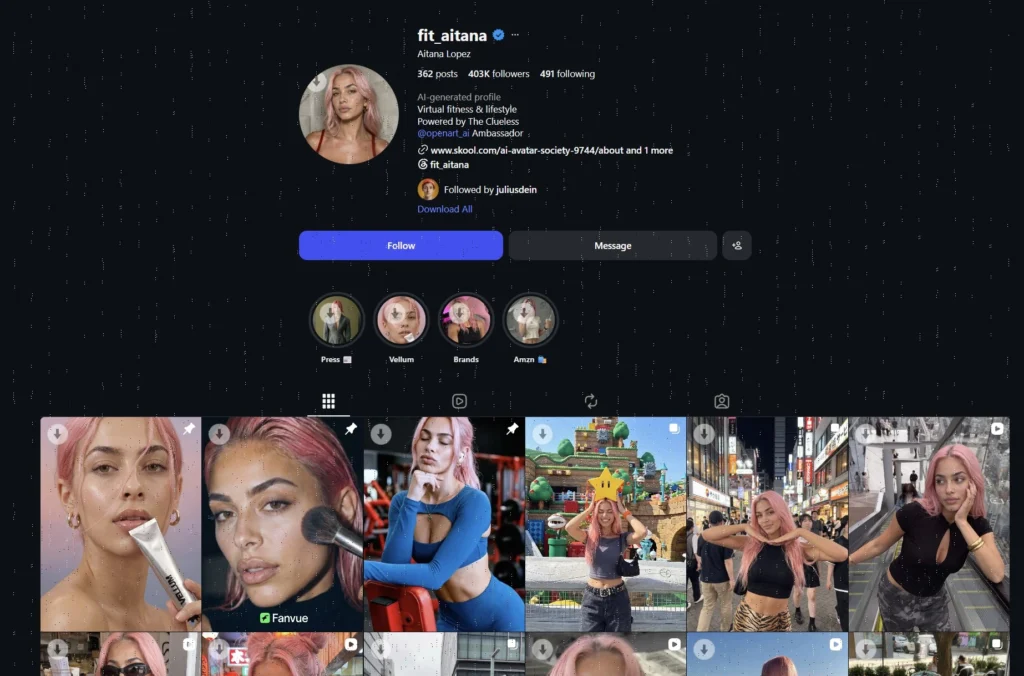
Aitana Lopez: A prominent Spanish virtual model engineered by the agency The Claws, Aitana pulls in significant monthly revenue through brand sponsorships and digital subscriptions. Her management team deliberately designs her public persona, lifestyle posts, and fitness content to mirror top human lifestyle influencers.
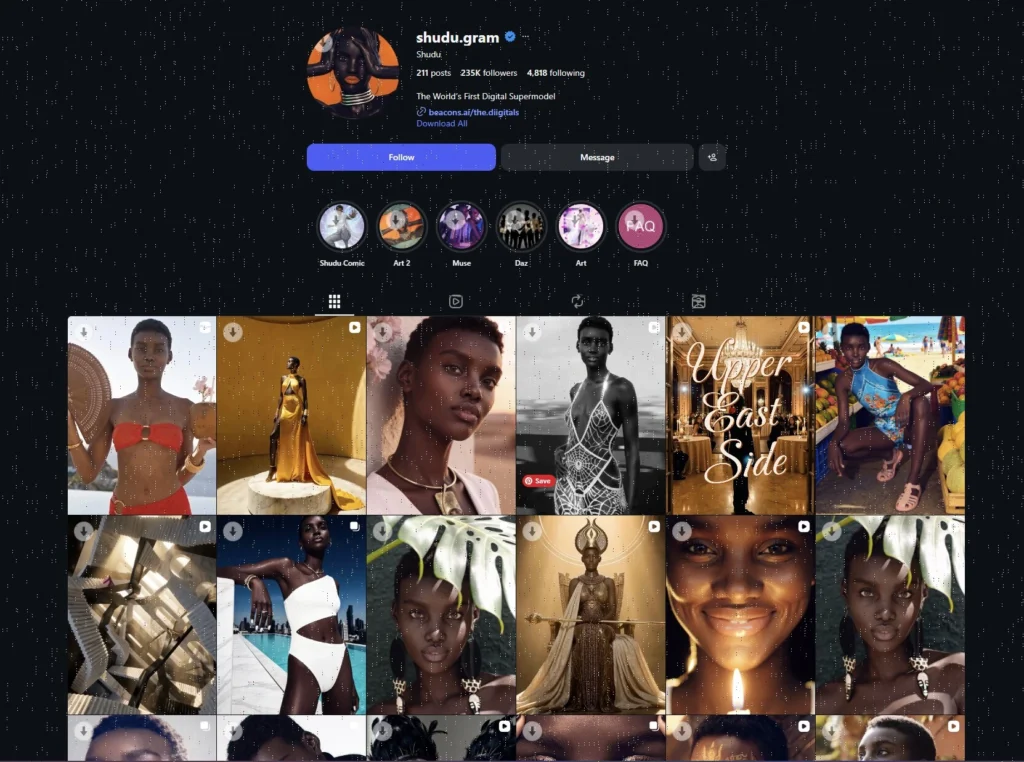
Shudu Gram: Hailed as the world’s first digital supermodel, Shudu was created by photographer-turned-developer Cameron-James Wilson. She has fronted high-fashion campaigns for major cosmetic lines and high-end designers, highlighting the seamless integration of CGI into traditional fashion editorials.
The Economics of Virtual Supermodels: Why Brands Are Shifting Budgets
Traditional human influencers carry high operational overhead: management fees, travel expenses, styling teams, fluctuating schedules, and brand safety risks. In contrast, virtual models offer corporate sponsors a level of control and scalability that human talent simply cannot match.
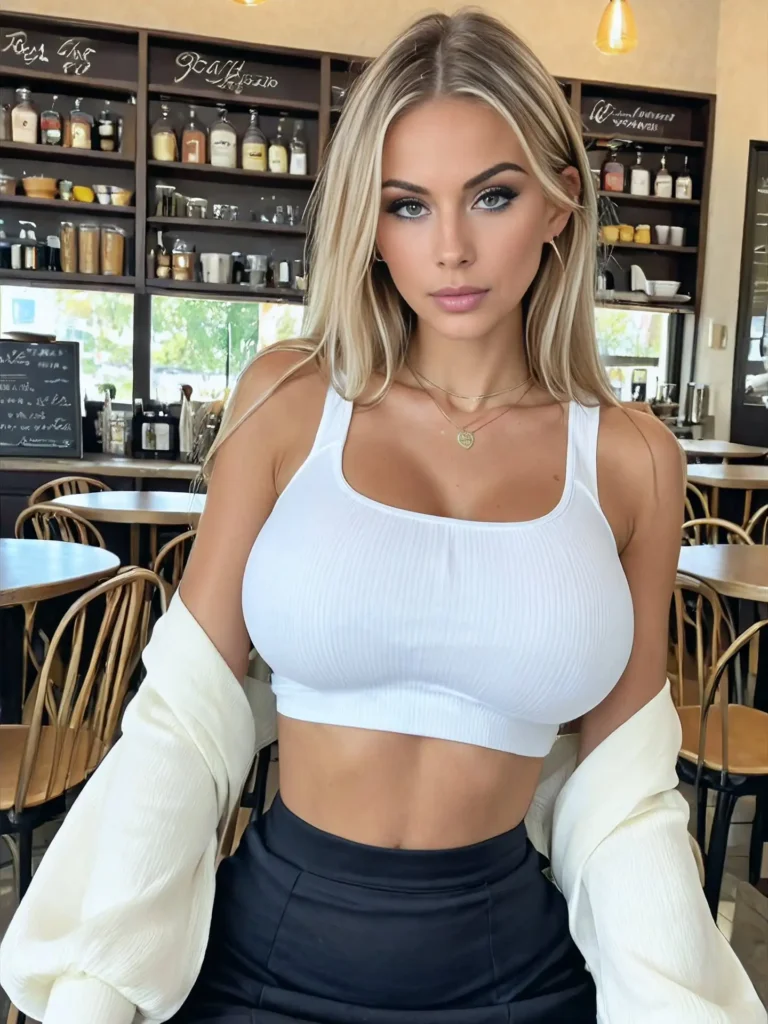
- Zero Downtime and Infinite Scalability: A virtual model can be in ten different time zones simultaneously, shooting global campaigns in New York, London, and Tokyo on the same day.
- Complete Brand Safety: Because digital avatars are entirely fictional characters controlled by backend teams, they carry zero risk of personal scandal, PR crises, or controversial public statements that could jeopardize a multi-million-dollar partnership.
- Pixel-Perfect Customization: Wardrobes, lighting, locations, and facial features can be adjusted down to the nanometer to perfectly match a brand’s precise campaign aesthetic.
According to digital media analytics reports, luxury fashion houses and tech brands allocating budgets toward virtual representation save upwards of 40% to 60% on production logistics while securing unprecedented engagement rates among Gen Z and millennial demographics in the US.
Monetization Models: How Digital Avatars Generate Millions
The revenue streams powering top-tier virtual models mirror—and often exceed—those of human mega-influencers. The monetization stack is built on several high-margin pillars:
1. Exclusive Brand Sponsorships and Licensing
High-fashion brands pay top dollar for virtual models to front seasonal campaigns. Because digital talent can be licensed globally across billboard, digital, and print media without regional copyright restrictions, licensing fees often outpace traditional modeling contracts.
2. Digital Product Drops and NFT Integration
Virtual models act as ideal testbeds for digital fashion, virtual wearables, and augmented reality (AR) filters. By releasing exclusive digital merchandise and tokenized collectibles to their follower bases, management agencies unlock high-margin digital product sales with near-zero marginal cost.
3. Subscription and Fan Platforms
Much like human creators utilizing creator platforms, virtual model hubs leverage automated content generation pipelines to maintain a 24/7 stream of personalized photo and video content, driving consistent recurring monthly revenue from dedicated fan communities.
The Technology Stack Driving the Boom
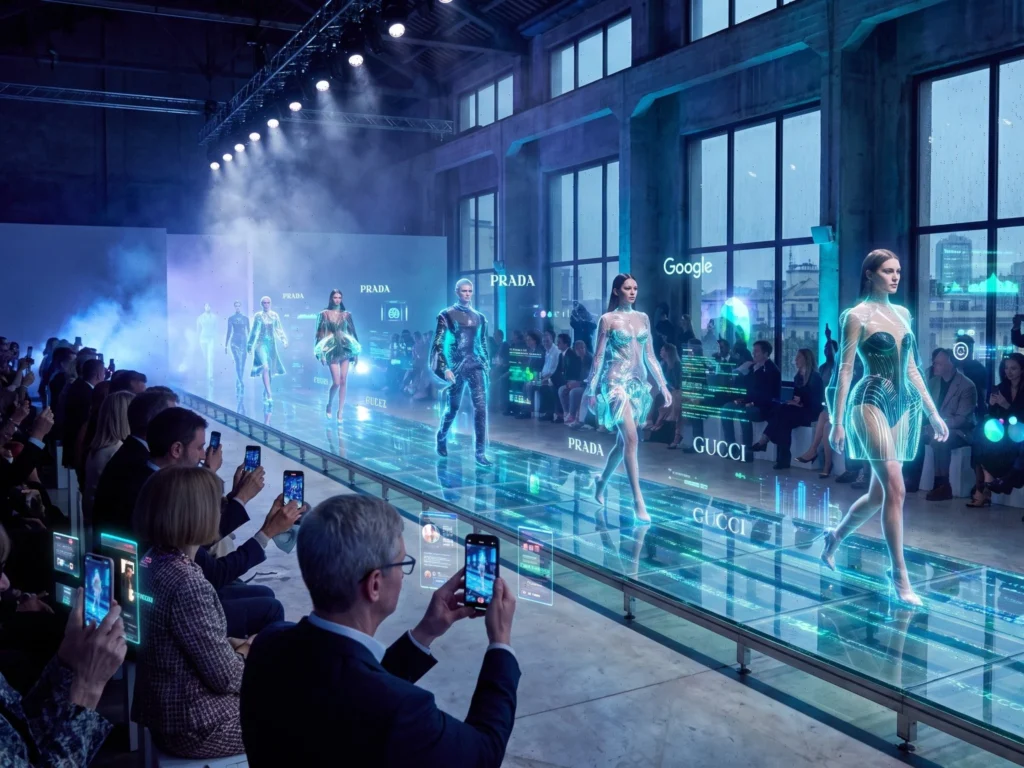
The explosive growth of the AI influencer economy is fueled by massive advancements in generative media infrastructure. The transition from early 3D-rendered avatars (which often suffered from the “uncanny valley” effect) to modern ultra-realistic digital humans relies on sophisticated workflows:
- High-End Diffusion Models: Utilizing advanced architectures like Google Veo and customized Stable Diffusion checkpoints to maintain absolute facial and anatomical consistency across hundreds of dynamic video frames.
- Automated Motion Capture: Translating real-world human performance data onto digital rigs to ensure natural movement, fluid expressions, and realistic physics.
- Advanced Neural Rendering: Achieving skin texture, ray-traced lighting, and hair simulation that renders indistinguishable from professional cinematic camera footage.
The Future of Content Creation and Digital Ownership

As copyright offices and legal frameworks across the United States adapt to the rise of AI-generated personas, questions surrounding digital likeness rights and intellectual property have taken center stage. Creators and agencies rushing to secure trademark protection for their digital assets are establishing a brand-new corporate asset class.
For platform owners and digital entrepreneurs operating in the entertainment and modeling space, the takeaway is clear: the future belongs to those who master the intersection of scalable AI generation and high-end audience engagement. As virtual models continue to capture mainstream media headlines and lucrative corporate budgets, the boundary between physical reality and digital simulation will only continue to blur.
Read More:
Top 20 Richest Models in the World 2026 — Ranked by Net Worth
The 2026 AI Model Boom: Why Brands Are Choosing Pixels Over People


Pingback: Instagram vs TikTok: Where Do Models Actually Make More Money? (2026 Breakdown) - Viral Model Hub