Most model profiles online repeat the same four data points — birthday, height, measurements, a list of brands — and call it a biography. That approach misses the actually interesting part of Dani Torres’ career: she built a sustained, multi-platform modeling business almost entirely outside the traditional agency pipeline, at a time when that path has become increasingly viable for a specific kind of model. That’s the angle worth actually examining.
The Quick Facts (Since They Matter for Context)
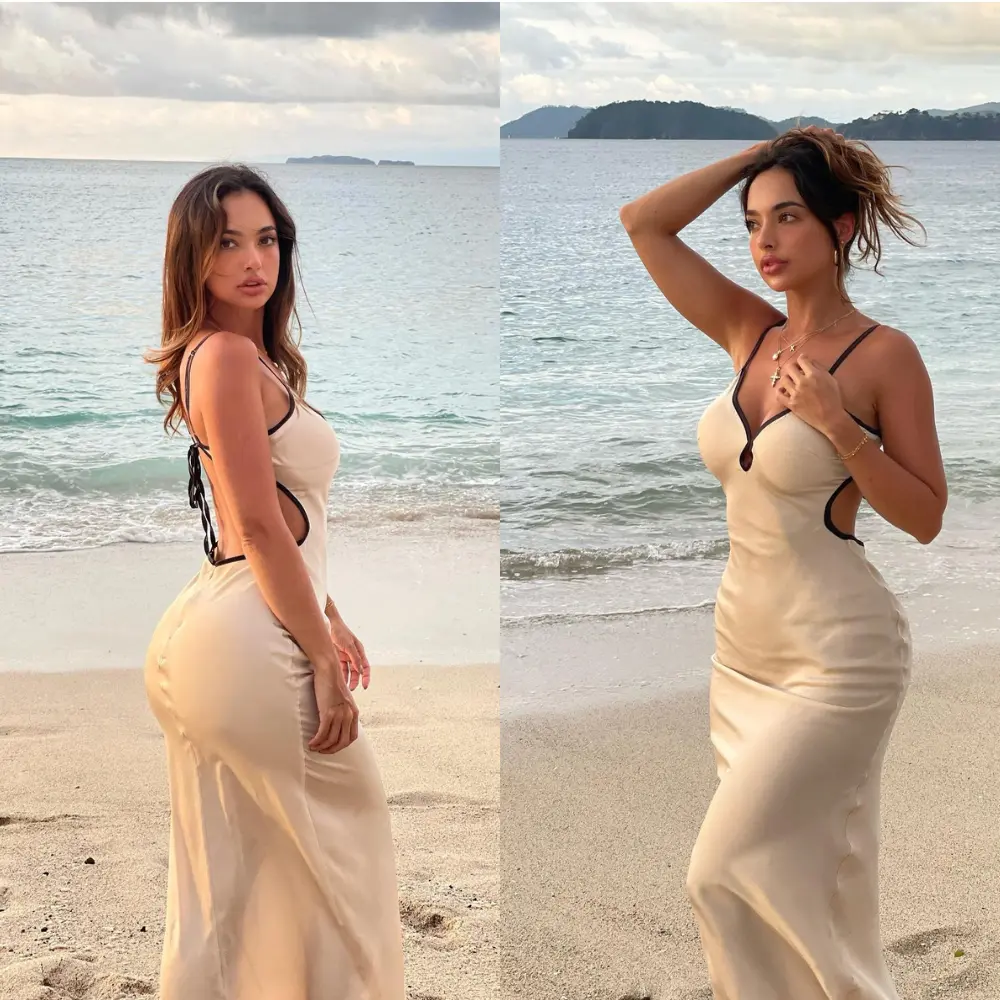
Dani Torres is a Costa Rican-born model and content creator, originally from San José, now based in Miami. She’s built her following primarily around swimwear and lifestyle content on Instagram and TikTok, with brand collaborations including Fashion Nova, Bali Body, and Certified Wear. That’s the baseline. What follows is what most coverage of her skips entirely.
The Business Model: Self-Built Versus Agency-Built
Analyzing her career trajectory against the standard 2026 modeling industry pipeline, one thing stands out immediately: Torres didn’t come up through a traditional agency system — no Elite, no IMG, no Wilhelmina scouting story. Her visibility was built directly on social platforms, brand by brand, without a modeling agency negotiating rates or managing her placements.
That distinction matters more in 2026 than it would have a decade ago. The traditional agency model is built around runway placement and editorial credibility feeding into brand deals. Torres’ model runs in the opposite direction: platform following converts directly into brand partnerships, with no runway or editorial layer in between. It’s a structure closer to how mid-tier fitness and lifestyle influencers operate than how fashion models traditionally have, a pattern we’ve seen play out similarly with Eva Padlock, another model who built her following without a traditional agency behind her. And it’s a distinction worth naming rather than glossing over, because it explains almost everything else about how her career has actually unfolded.
Why the Niche Works: Consistency Over Reinvention
Looking at her brand partnership pattern — Fashion Nova, Bali Body, Certified Wear — a clear strategy emerges: she’s stayed almost entirely within swimwear, activewear, and body-focused lifestyle brands rather than diversifying into unrelated categories. Compared to influencers who chase every available brand deal regardless of fit, that narrower focus is a deliberate trade-off. It caps the total addressable sponsorship pool, but it also means her audience knows exactly what they’re following her for, which tends to produce higher engagement per post than a broader, less consistent content mix.
This is a genuinely different strategy than the one agency-repped editorial models typically pursue, where career longevity is built on range — proving you can shoot beauty, fashion, and commercial work interchangeably. Torres’ approach bets on depth within a single lane instead, which is a much more common strategy among self-managed creators than among traditionally repped models, and it’s part of why her career reads more like a personal brand business than a modeling career in the classic sense.
The Platform Diversification Play
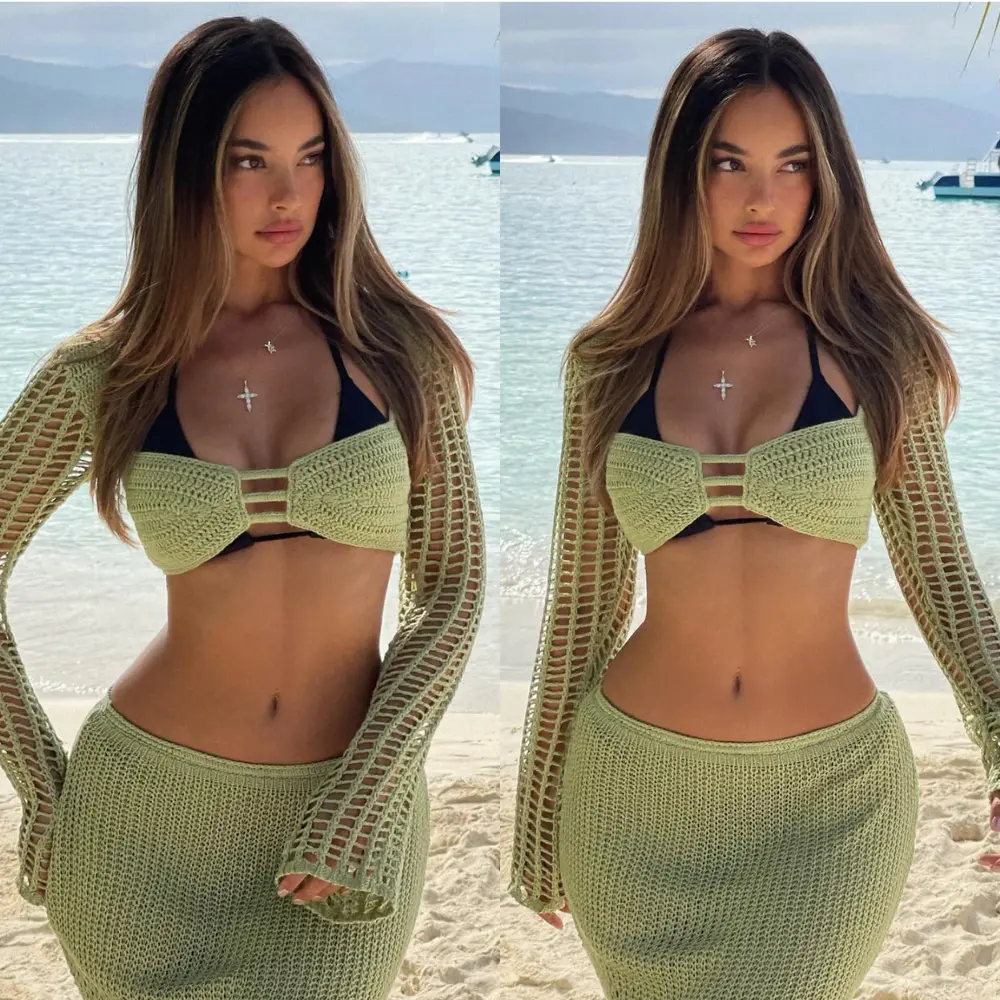
Torres’ expansion from Instagram into TikTok, and eventually into subscription-based platforms, follows a pattern that’s become close to standard practice for independent creators by 2026: build the audience on a discovery-driven platform, then migrate a portion of that audience toward a platform with a direct monetization structure. What’s notable is the order she did it in — establishing the swimwear/lifestyle identity on Instagram first, rather than starting on a subscription platform and working backward into mainstream brand deals. That sequencing matters, because starting on the mainstream platform builds the kind of brand-safe credibility that makes companies like Fashion Nova comfortable signing on in the first place. It’s a sequencing strategy similar to what we’ve tracked in Ashley Reed’s career, where digital-first visibility came before any traditional fashion credibility was established.
Comparing to the 2026 Industry Benchmark
Against where the broader influencer-modeling space sits in 2026 — increasingly saturated, with follower growth harder to sustain than it was five years ago — Torres’ trajectory is a useful case study in a specific playbook: pick one visual identity, stay in it long enough to own it within your niche, and let brand partnerships compound over years rather than chasing rapid category expansion. It’s not the flashiest strategy, and it won’t produce the kind of overnight viral spike that gets someone onto a “rising star” list. But it’s a more durable one, and it’s exactly the kind of steady, mid-tier career arc that tends to get overlooked in favor of covering whoever’s growth chart is spiking this particular month. It’s a strategy worth comparing against our broader look at the industry’s top-earning models of 2026, where the biggest names almost all followed the traditional agency route instead.
Our Take
What’s genuinely instructive about Torres’ career isn’t a single viral moment — there isn’t one to point to. It’s the absence of one. In an industry where most coverage chases the newest breakout name, a model who’s built a consistent, sustained presence over multiple years through a deliberately narrow content identity is arguably the more useful case study for anyone actually trying to understand how the current creator-modeling economy works day to day, rather than how it looks in a single highlight-reel moment.
FAQ
No — her career has been built primarily through direct social media growth and brand partnerships rather than through a traditional modeling agency pipeline.
No — her career has been built primarily through direct social media growth and brand partnerships rather than through a traditional modeling agency pipeline.
She has collaborated with brands including Fashion Nova, Bali Body, and Certified Wear, largely within the swimwear and lifestyle category.
She was born in San José, Costa Rica, and is now based in Miami, Florida
.